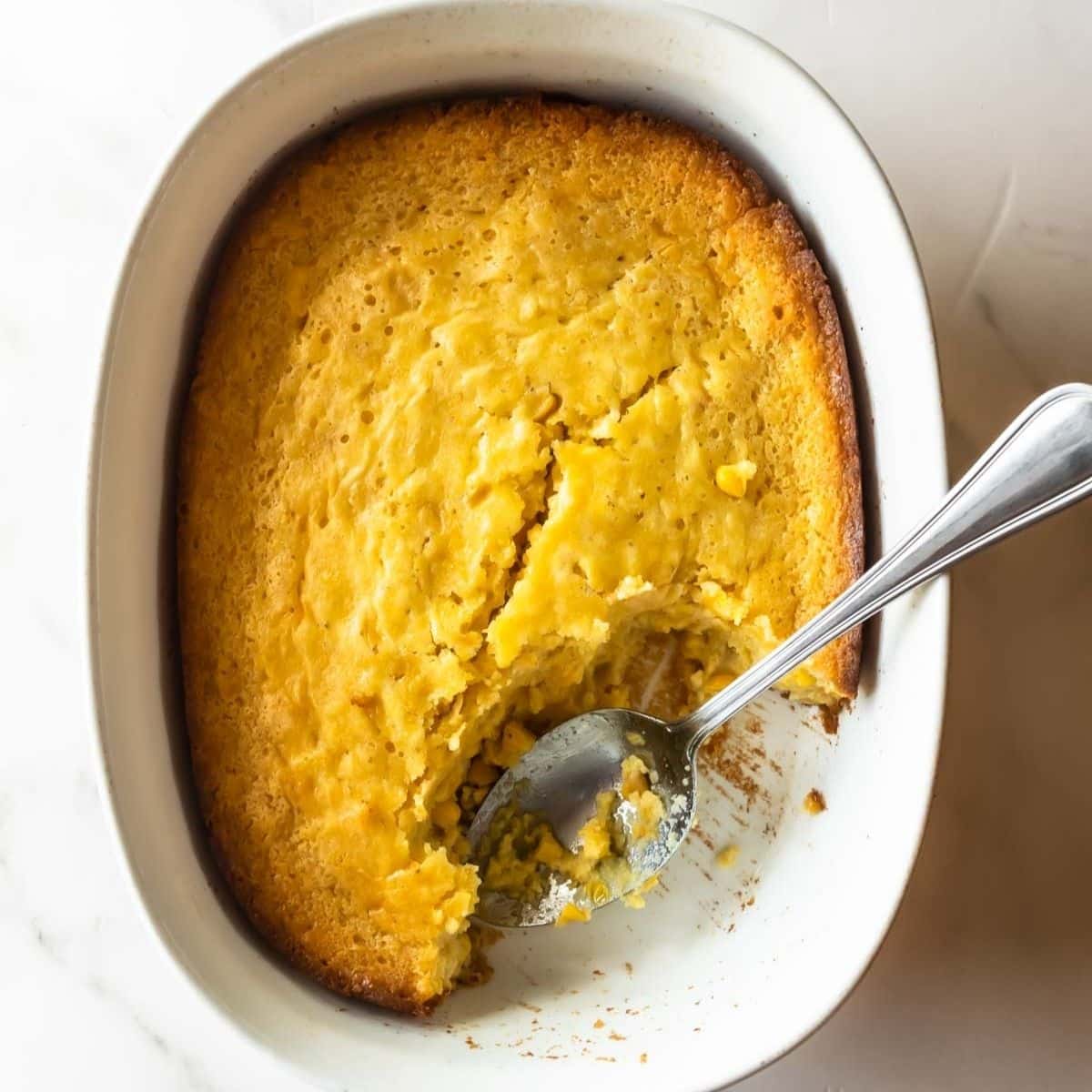
Beyond Jiffy: Craft Your Perfect Homemade Corn Casserole
The humble corn casserole holds a special place in the hearts of many, particularly across the American South, where it often graces holiday tables and family gatherings. Yet, for a dish so beloved, its definition can be surprisingly elusive. Is it a creamy baked corn dish? A savory side akin to cornbread stuffing? Or a sweet, custard-like pudding that could almost pass for dessert? The truth is, corn casserole is wonderfully versatile, a blank canvas awaiting your culinary creativity. While many have grown accustomed to the convenience of a "Jiffy-style" mix, this article invites you to step into the kitchen and discover the unparalleled satisfaction of crafting a truly homemade corn casserole, tailored precisely to your taste.
The Philosophy of Your Perfect Corn Casserole
Forget rigid rules and expectations. The beauty of
Customize Your Corn Casserole: Sweet, Savory, or Custard? lies in its adaptability. At its core, it’s a delightful interplay of corn, eggs, and dairy, bound together to create a comforting side dish that perfectly complements everything from roasted chicken to holiday ham.
Traditionally, corn casserole can manifest in several ways:
*
Creamed Corn Baked: A simpler rendition, essentially creamed corn baked until bubbly and warm.
*
Jiffy-Style Blend: Often made with canned corn, Jiffy corn muffin mix, and dairy, offering a quick, slightly sweet, and cake-like texture.
*
Southern Corn Pudding: A richer, more luxurious version, loaded with eggs and cream, resulting in a smooth, custard-like consistency that’s often sweeter and incredibly moist.
Instead of debating what it *should* be, we embrace what it *can* be. The key is understanding the basic framework – the ratio of vegetables to binding agents (eggs, dairy, cornmeal) – and then confidently tweaking the specifics. This approach empowers you to create a corn casserole that reflects your personal preferences, whether you crave something sweet, savory, light, or incredibly rich.
Building Your Masterpiece: Step-by-Step Guidance
Crafting a homemade corn casserole from scratch might seem daunting if you're used to a mix, but the process is surprisingly straightforward and incredibly rewarding. The journey begins with thoughtfully selected ingredients and a few simple cooking steps.
1. The Flavor Foundation: Sautéing Aromatics
Kick off your casserole with a burst of flavor. In a sturdy skillet – ideally a cast iron pan (more on its benefits later) – melt some butter, or for an extra layer of savory depth, bacon fat. Sauté finely diced aromatics like onion and red bell pepper until softened. This step is crucial for developing the foundational taste profile. For a brighter, herbal note, fresh sage is a fantastic addition, releasing its fragrant oils into the fat.
Seasoning Your Base: This is where you nudge your casserole towards sweet or savory.
* For a mellow, slightly sweet profile, add a pinch of sugar, salt, sweet paprika, and a tiny dash of cayenne pepper. The cayenne won't make it spicy but will provide a subtle warmth that balances the sweetness.
* If a distinctly savory corn casserole is your goal, incorporate garlic powder and freshly cracked black pepper at this stage. You might even consider a hint of smoked paprika for a deeper, earthier flavor.
2. Corn Selection: Fresh is Best, Frozen is Fine
Once your aromatics are tender and the fat has started to brown slightly (imparting a lovely toasted edge), it's time for the star ingredient: corn. While fresh corn is always preferred for its vibrant flavor and satisfying "bursty" texture, don't shy away from frozen corn during off-seasons. Even "starchy" fresh corn, which might be less enjoyable off the cob, performs beautifully in a baked casserole, contributing body and natural sweetness. Cook the corn with your aromatics until it sheds its moisture and the skillet appears dry, concentrating its flavor.
3. The Binding Agent: Cornmeal for Texture
After the corn is ready, stir in cornmeal. This ingredient plays a critical role in determining the final texture of your casserole.
* For an
eggier, more custard-like corn casserole, use a smaller amount, perhaps a quarter cup.
* If you prefer a
denser, almost stuffing-like consistency, increase the cornmeal to two-thirds of a cup.
The cornmeal absorbs moisture and helps create a cohesive structure when combined with the eggs and dairy.
4. The Dairy & Egg Finish: Bringing it All Together
At this point, your corn base can be set aside if you're planning ahead – a fantastic feature for holiday meal prep! When you're ready to proceed, stir in your dairy and eggs. A blend of milk, heavy cream, and beaten eggs provides the rich, moist body that defines a great corn casserole. This mixture will bind the cornmeal and corn kernels, creating that beloved creamy texture.
5. The Cheesy Crown: A Melty Delight
Finally, fold in a generous amount of cheese. Classic choices like sharp Cheddar or creamy Monterey Jack offer that quintessential "down-home" flavor and melt beautifully. For a sophisticated nutty undertone, freshly grated Parmesan cheese is an excellent alternative that adds depth without overpowering the corn.
Once combined, the casserole bakes for approximately 20 minutes, followed by a few minutes under the broiler to achieve a golden-brown, inviting crust.
Elevating Your Corn Casserole: Beyond the Basics
Moving beyond the core recipe, there are countless ways to customize your homemade corn casserole, making it truly your own.
*
Spice it Up: Experiment with different spices. A pinch of chili powder, a dash of cumin, or a touch of smoked paprika can add intriguing layers of flavor.
*
Herbal Infusions: Beyond sage, consider fresh thyme, chopped chives, or a scattering of cilantro for a brighter, fresher note.
*
Add a Kick: For those who love a bit of heat, finely diced jalapeños or a can of drained green chilies can be stirred into the corn mixture.
*
Boost the Protein: Crumbled, cooked bacon or sausage added at the end of the sautéing stage can transform your casserole into a heartier side or even a light main course.
*
Creamed Corn Factor: While fresh or frozen kernels are excellent, incorporating some canned creamed corn can enhance the dish's overall creaminess and sweetness, adding another dimension of texture.
Remember, the beauty of a homemade
Cast Iron Corn Casserole: One-Pan Comfort Food & Holiday Side is its forgiving nature. Don't be afraid to taste and adjust seasonings as you go, balancing sweet, savory, and spicy notes to achieve your ideal flavor profile.
The Cast Iron Advantage: One Pan, Endless Comfort
While any baking dish will suffice, preparing your corn casserole entirely in a cast iron skillet offers several distinct advantages, making it a preferred method for many home cooks:
* **Seamless Transition:** A well-seasoned cast iron skillet allows you to move effortlessly from stovetop (sautéing aromatics, cooking corn) to oven (baking the casserole) to table (serving). This reduces cleanup and adds rustic charm.
* **Superior Heat Retention:** Cast iron holds heat exceptionally well and distributes it evenly. This means your casserole bakes consistently and stays warm for a longer period – often up to an hour – making it perfect for holiday meals where dishes might sit for a bit before serving.
* **Enhanced Flavor and Texture:** The browning that occurs in cast iron, from the initial sauté to the final bake, contributes to a delicious crust and a deeper, more complex flavor profile.
* **Developing Cohesion:** While piping hot, a freshly baked corn casserole can sometimes have a slightly crumbly texture. As it cools in the cast iron skillet, the eggs and cornmeal continue to bind, resulting in a more cohesive, sliceable dish. This makes it an ideal make-ahead option, often tasting even better as it sets.
Conclusion
Moving beyond the simplicity of a box mix to craft your own homemade corn casserole is a culinary journey well worth taking. It's a dish that embodies comfort, versatility, and the joy of sharing good food. By understanding the core components and embracing the freedom to customize, you can create a corn casserole that is not just a side dish, but a memorable centerpiece tailored precisely to your family's tastes. So gather your ingredients, fire up your skillet, and prepare to delight in the rich flavors and comforting warmth of your perfect homemade creation.